
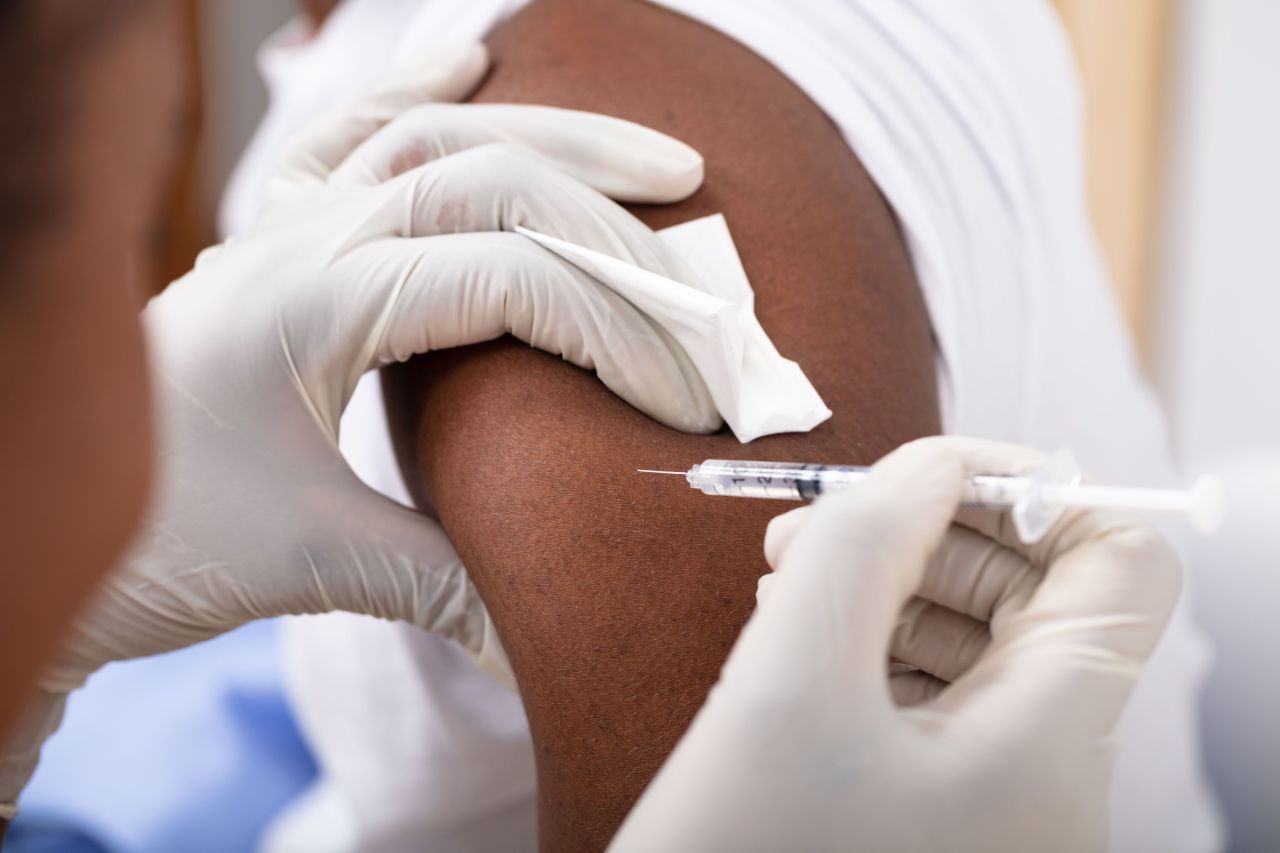
A new single-dose rabies vaccine could transform how the deadly disease is prevented, following encouraging results from a clinical trial conducted in Tanzania according to a new study published in ScienceDirect
Rabies remains a major public health concern, killing an estimated 59,000 people globally each year, with the highest burden in Africa and Asia. Current vaccines require multiple doses and clinic visits, making them difficult to access in many low-resource settings. Researchers are now testing a simpler alternative that could change that reality.
The experimental vaccine, known as ChAdOx2 RabG, is designed to provide protection with just one injection. In a study involving both adults and young children, the vaccine was found to be safe, well tolerated, and highly effective in generating long-lasting immunity.
“Participants reported predominantly mild-to-moderate reactogenicity… and no serious adverse reactions,” the study says. Most side effects were minor, such as pain at the injection site or mild fever, and resolved quickly.
The study, conducted in Bagamoyo, Tanzania, included 63 adults and 111 children aged between two and six years. Participants were divided into groups receiving either the new vaccine or currently licensed rabies vaccines, which were given in one or two visits for comparison.
Results showed that the single-dose vaccine produced a stronger immune response than existing options. After one year, antibody levels in those who received the new vaccine were significantly higher than in those who received standard vaccines.
Researchers noted in the study that the vaccine “achieved robust attainment and maintenance of VNA responses,” referring to the level of antibodies needed to protect against rabies. Importantly, these levels remained above the recommended protection threshold even after one year.
Children showed particularly strong results, with all participants who received the full dose maintaining protective immunity at the one-year mark. In comparison, a smaller proportion of those who received the standard single-dose vaccine remained protected.
The findings suggest that the new vaccine could offer a more practical and cost-effective solution, especially in regions where access to healthcare is limited. “Lower-cost, single-visit rabies vaccines might be able to overcome these limitations,” the study notes, highlighting the challenges posed by current multi-dose regimens.
Researchers believe that simplifying rabies prevention could significantly reduce deaths, especially among children in rural areas who are at higher risk of dog bites, the leading cause of infection.
Photo Credit: Online