
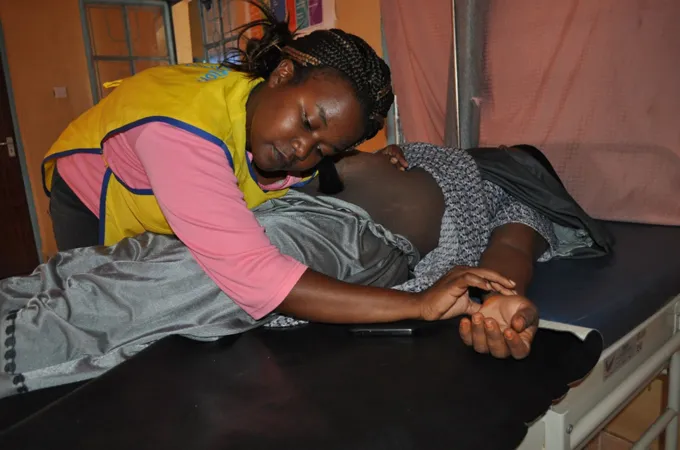
COVID-19 pandemic severely disrupted maternal healthcare services in Kenya, reducing access to antenatal care and emergency childbirth services while increasing the number of women delivering at home, a new study says.
The study, published in the journal International Health, analyzed data from more than 10,000 births recorded in the 2022 Kenya Demographic and Health Survey to assess the population-level impact of the pandemic on maternal healthcare.
Researchers found that women were less likely to begin antenatal care early or attend the recommended number of clinic visits during and after the pandemic compared with the period before COVID-19.
“COVID-19 significantly impacted both routine and lifesaving/emergency maternal healthcare in Kenya,” the study said.
According to the findings, adequate antenatal care, defined as at least four visits beginning in the first trimester, fell during the pandemic period.
Furthermore, the study also recorded a rise in home deliveries during the early stages of COVID-19, with researchers warning that births outside health facilities can increase risks for mothers and newborns.
Additionally, the study noted that many women avoided hospitals because of fear of infection, transport difficulties, rising costs, stigma and concerns over encounters with law enforcement during movement restrictions.
“Births during COVID-19 onset had a 33% higher likelihood of occurring at home and 31% lower likelihood of being through C-section than pre-pandemic,” the researchers found.
The decline in Caesarean section deliveries particularly alarmed researchers because the procedure is often critical in handling life-threatening childbirth complications.
The study also revealed that poor and vulnerable women were hit hardest by the disruption, especially women with little or no education, those living in rural areas, women without partners and mothers from disadvantaged regions.
Counties in northern and remote parts of Kenya, including Mandera, Wajir and West Pokot, recorded some of the weakest maternal healthcare indicators during the pandemic period.
Researchers said the effects of the pandemic lingered even after restrictions eased, with antenatal care services recovering more slowly than hospital deliveries.
“The findings underscore a need for targeted policy/program strategies to mitigate adverse consequences of public health emergencies among disproportionately impacted population subgroups,” the study concluded.
Photo Credit: Al Jazeera