
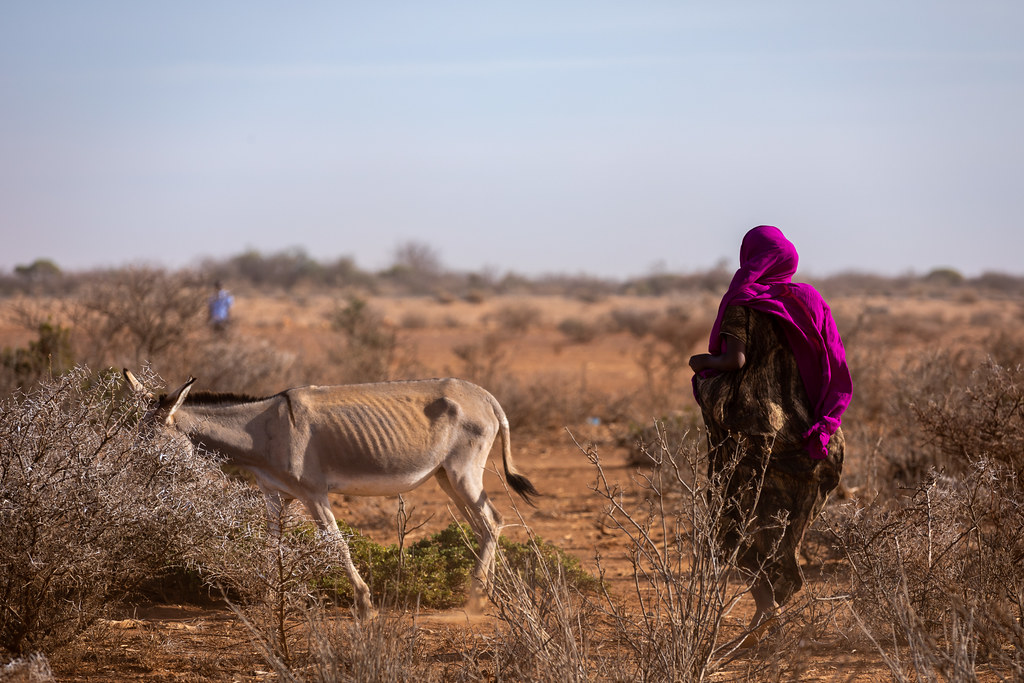
Climate-driven droughts in southern Africa are increasing the risk of violence against adolescents, with girls, older youths and rural communities facing the greatest danger, according to a new study published in The Lancet Planetary Health.
Researchers analysed data from more than 20,000 adolescents aged 13–24 in Zimbabwe, Mozambique and Lesotho and found that drought conditions were linked to sharp increases in sexual, emotional as well as physical violence.
“Drought exposure was associated with increased risk of sexual, emotional, and physical violence against adolescents in Zimbabwe, Mozambique, and Lesotho,” researchers said in the study.
The researchers found that worsening drought conditions increased the likelihood of several forms of abuse, including violence by intimate partners and non-partners.
Additionally, emotional violence showed the strongest rise, while physical and sexual violence also increased significantly.
Furthermore, researchers said prolonged droughts lasting two years or more had even stronger effects, suggesting that repeated climate shocks can deepen social stress and family tensions over time.
The study linked drought-related violence to crop failures, livestock deaths, rising food insecurity and economic hardship, which can trigger harmful coping mechanisms such as child labor, forced migration and child marriage.
“Each increase in drought severity was linked to a 39–73% higher likelihood of sexual, emotional, or physical violence,” the researchers found.
Girls were identified as particularly vulnerable during drought periods, partly because many are forced to travel longer distances to collect water and firewood, increasing their exposure to abuse.
Older adolescents also faced heightened risks because they are more likely to work, migrate or spend time outside the home.
The studt further noted that rural communities were disproportionately affected because they rely heavily on rain-fed agriculture and often lack strong social protection systems.
“Violence prevention strategies should be integrated into climate adaptation and early warning systems, especially in drought-prone communities,” researchers recommended.
PHOTO FROM AGU