
Malaria control efforts across sub-Saharan Africa are facing a growing threat as mosquitoes increasingly develop resistance to commonly used insecticides, according to a new scientific review published in the Journal of Parasitology Research.
The study found that a resistance gene known as CYP9K1 is playing a major role in helping Anopheles mosquitoes survive exposure to insecticides widely used in mosquito nets and indoor spraying programs across Africa.
“Insecticide resistance in Anopheles mosquitoes poses a growing challenge to malaria elimination efforts across sub-Saharan Africa,” the researchers stated in the paper.
The review examined findings from 11 studies conducted between 2015 and 2025 in Nigeria, Kenya, Cameroon, Ghana, Benin, and Côte d’Ivoire. Researchers discovered that mosquitoes carrying the CYP9K1 gene were consistently more resistant to pyrethroid insecticides such as deltamethrin and permethrin, chemicals commonly used in long-lasting insecticidal nets (LLINs) and indoor residual spraying (IRS).
According to the researchers, the CYP9K1 gene allows mosquitoes to break down insecticides more efficiently, enabling them to survive chemicals designed to kill them. Scientists warned that this growing resistance could weaken the effectiveness of key malaria prevention tools relied upon across the continent.
“CYP9K1 has been increasingly associated with detoxification and cross-resistance to multiple insecticide classes,” the paper noted.
The study also highlighted the problem of cross-resistance, where mosquitoes resistant to one insecticide may also become resistant to others. Researchers said this reduces the effectiveness of switching between different insecticides as part of malaria control strategies.
Scientists observed that resistance patterns linked to the CYP9K1 gene were largely similar across all six countries studied, suggesting that resistant mosquito populations and resistance genes may be spreading across borders through migration and continued exposure to similar insecticides.
“The same CYP9K1-linked resistance mechanism may be spreading across different ecological and geographic regions,” the researchers observed.
The study attributed the rise in resistance partly to the widespread and prolonged use of pyrethroid-based malaria interventions over many years. Researchers warned that if resistance continues to spread, current malaria control programs could become less effective in preventing infections.
Despite the findings, the researchers said stronger monitoring systems and improved surveillance could help countries respond more effectively to emerging resistance. They recommended increased regional cooperation, regular molecular testing of mosquito populations, insecticide rotation strategies, and the development of next-generation mosquito nets containing alternative chemicals.
“Monitoring CYP9K1 expression alongside other resistance markers will be crucial for predicting resistance trends,” the study says.
Malaria remains one of the leading public health challenges in Africa, accounting for millions of infections every year. Health experts have often argued that controlling insecticide resistance among mosquitoes will be critical in sustaining progress made in reducing malaria transmission and deaths across the continent.
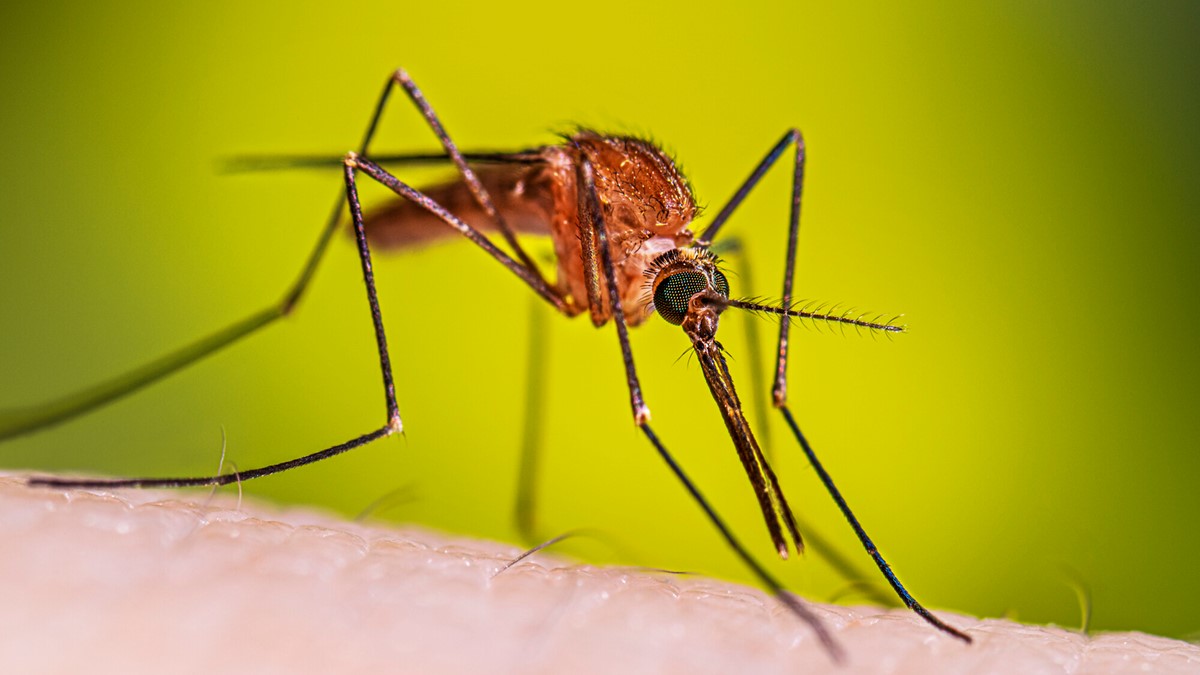
IMAGE FROM CDC