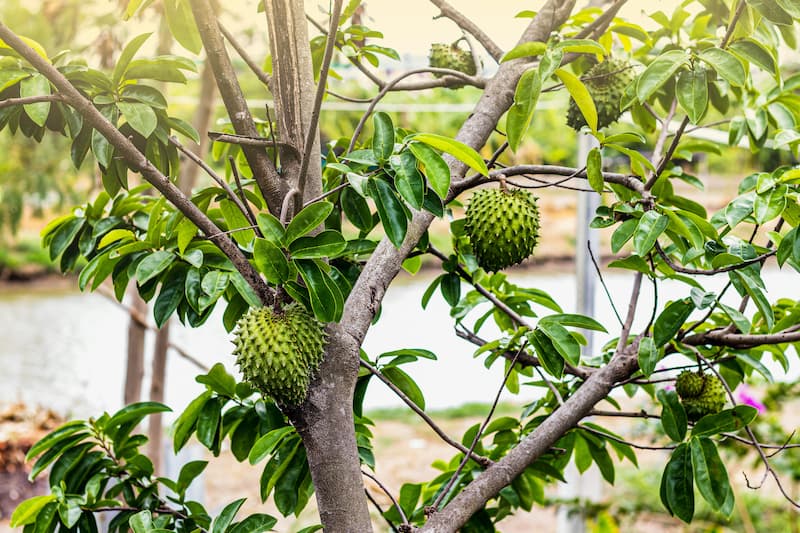
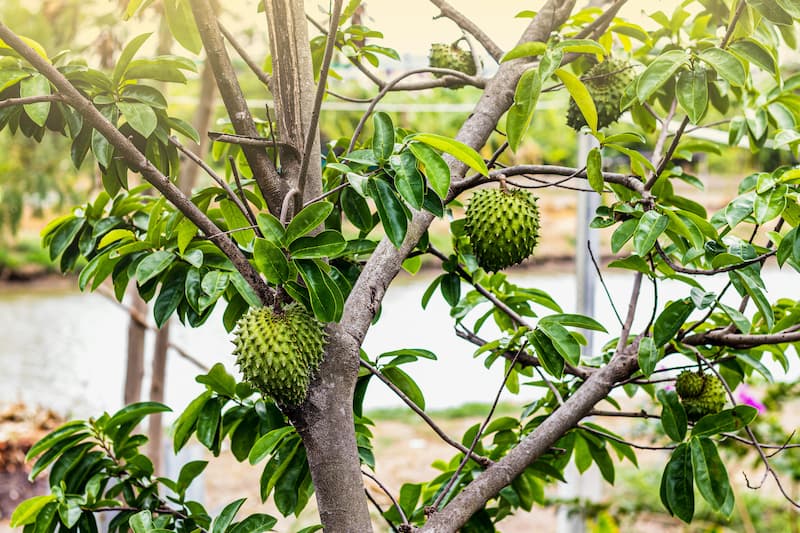
Annona muricata, commonly known as soursop, is one of the most commonly used medicinal plants in traditional efforts to manage cancer.
A new scientific review has found that hundreds of traditional medicinal plants used across Sub-Saharan Africa could hold promise for future cancer treatments, offering hope to millions of patients who struggle to access modern healthcare.
Researchers who reviewed two decades of studies found that more than 80% of the population relies on indigenous plant-based remedies to treat or manage various ailments, including cancer. There is no scientific evidence that any of them can cure cancer.
This heavy reliance reflects the high cost and limited availability of conventional cancer treatments—such as chemotherapy, radiotherapy, and surgery—in many African countries.
The study, published in the journal Plants, analyzed research conducted between 2006 and 2026 and identified 556 plant species from 110 plant families that are traditionally used to treat different forms of cancer, including breast, cervical, prostate, skin, lung, and stomach cancers.
Among the most frequently cited medicinal plants were Kigelia africana, commonly known as the sausage tree; Annona muricata; Adansonia digitata; Carica papaya; and Tamarindus indica.
The researchers found that leaves, roots, and bark were the most commonly used plant parts. Remedies are typically prepared as herbal teas, powders, or boiled mixtures and are either taken orally or applied directly to affected areas.
The findings also suggest that Africa’s rich biodiversity presents significant, largely untapped opportunities for drug discovery.
“Traditional medicinal plants hold significant potential as sources of novel anticancer drugs in Sub-Saharan Africa,” the researchers wrote.
However, they cautioned against assuming that traditional remedies are automatically safe or effective. Although many of these plants are widely used by local communities, most have not undergone rigorous scientific evaluation.
“A significant gap exists between ethnobotanical knowledge, laboratory research, and clinical application,” the researchers warned.
They said more laboratory research, toxicity testing, and human clinical trials are urgently needed to determine which herbal treatments are both effective against cancer and safe for integration into modern medical practice.
IMAGE CREDIT