
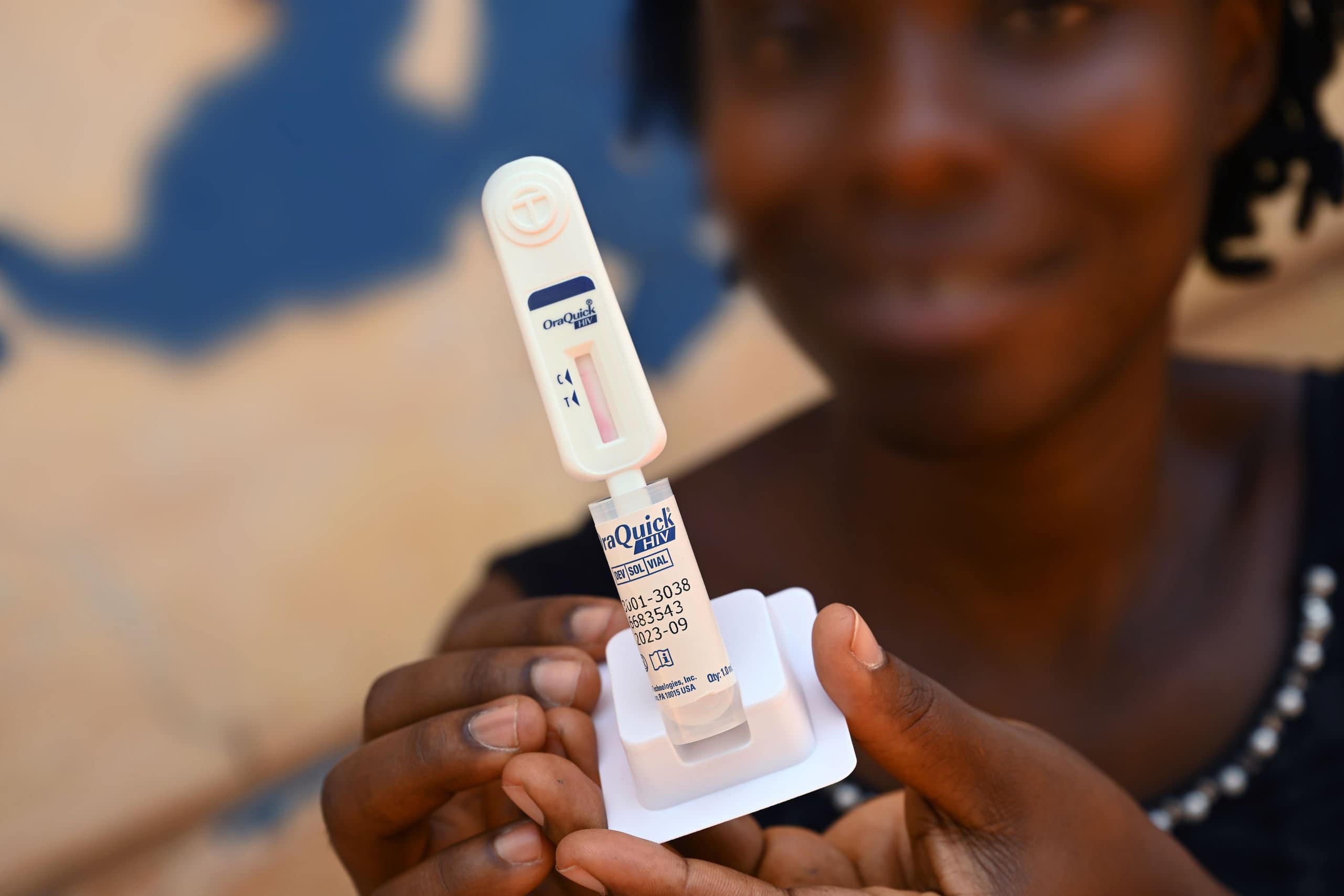
Empowering young people to lead HIV self-testing programmes has the potential to dramatically reduce new HIV infections, save thousands of lives and eventually lower healthcare costs in Nigeria, according to a new study published in The Lancet Regional Health – Africa.
The research suggests that a youth-driven approach to HIV testing can become one of the country’s most effective HIV prevention strategies at a time when donor funding for HIV programmes is becoming increasingly uncertain.
Using a mathematical model based on data from Nigeria’s 4 Youth by Youth (4YBY) trial, researchers projected the impact of expanding youth-led HIV self-testing between 2023 and 2050. They compared 18 rollout strategies, varying the frequency of programme delivery and the proportion of young people reached.
The outlook without additional interventions is concerning. The model estimates that maintaining current HIV prevention efforts would result in nearly 2.82 million new HIV infections and more than 142,000 AIDS-related deaths among Nigerians aged 14 to 24 over the next 27 years.
Scaling up youth-led HIV self-testing, however, dramatically changed that picture.
Depending on the rollout strategy, the programme could prevent between 41,327 and 791,770 new HIV infections among young people and avert up to 50,716 AIDS-related deaths. The benefits would extend beyond this age group. By reducing onward transmission, the intervention could also prevent as many as 1.53 million HIV infections among adults aged 25 to 49.
The researchers found that the best balance between health benefits and cost-effectiveness would be achieved by offering the programme every two years over a five-year period while reaching 80% of Nigerian youth.
“Scaling up youth-led HIVST (HIV self-testing) could substantially benefit Nigerian youth,” the researchers wrote.
Youth-led HIV self-testing is designed to overcome barriers that discourage many young people from accessing HIV testing services, including stigma, fear of discrimination, concerns about confidentiality and limited awareness of available services. Under this model, young people play a central role in designing and delivering HIV self-testing programmes while linking participants to confirmatory testing, treatment and prevention services where needed.
Although the preferred strategy would require a significant upfront investment, the study suggests it would pay off over time by preventing future HIV infections.
The researchers project that “annual HIV-related healthcare expenditures were projected to become lower than under the status quo from around 2040 onward,” as fewer people require lifelong HIV treatment and care.
The authors caution, however, that affordability remains a major consideration. They note that “the preferred strategy depends on the willingness-to-pay threshold,” meaning governments with more limited resources may initially opt for less intensive implementation while expanding programmes as additional funding becomes available.
With international HIV funding under increasing pressure, the researchers argue that youth-led HIV self-testing provides policymakers with strong evidence that investing in prevention today could generate substantial health gains while reducing healthcare costs in the decades ahead.
IMAGE CREDIT