
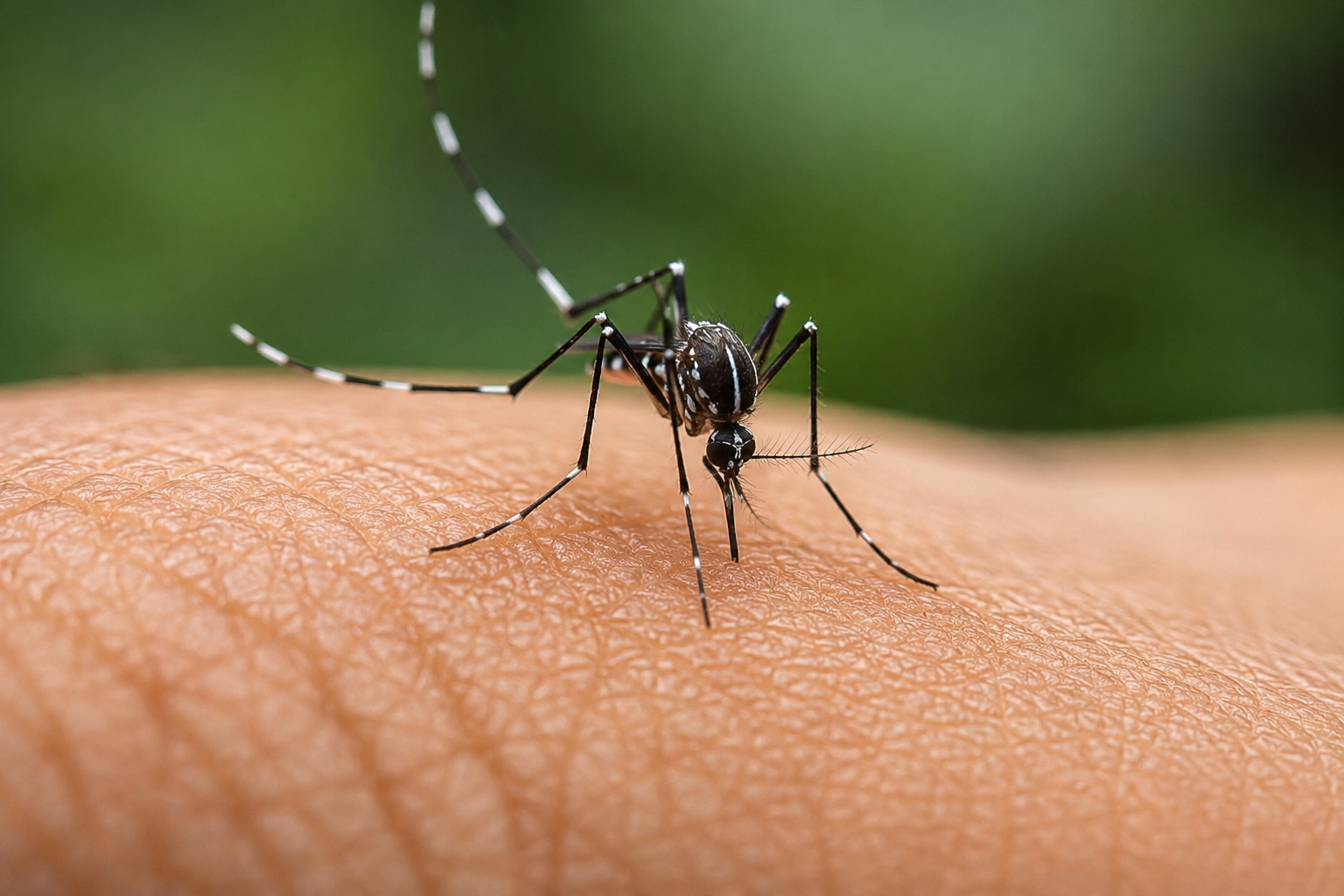
Genetic differences between Aedes aegypti mosquitoes from the United States and East Africa may explain why some populations are better at spreading dengue and other mosquito-borne diseases than others, according to a new study
The study in BMC Biology compared Aedes aegypti mosquitoes collected from Florida in the United States and Bagamoyo in Tanzania. The scientists investigated how easily the mosquitoes became infected with dengue virus and analysed their genetic makeup to identify traits linked to disease transmission.
The researchers found that mosquitoes from Florida became infected more easily, carried larger amounts of the virus, and allowed it to spread through their bodies faster than those from Tanzania.
The findings suggest that not all Aedes aegypti mosquitoes pose the same level of public health risk and that inherited genetic differences play a major role in determining how effectively they transmit viruses.
The study further identified more than 1.6 million genetic differences between the two mosquito populations. However, only 17 genes accounted for more than half of the highly differentiated genetic variants, indicating that a relatively small group of genes may have a significant influence on virus transmission.
“Florida Aedes aegypti mosquitoes were more susceptible to dengue infection, carried higher viral loads, and allowed the virus to spread through their bodies faster than mosquitoes from Tanzania,” the researchers found.
Many of the key genes identified are involved in biological processes such as smell, saliva production, metabolism, body clock regulation and immune responses. These functions influence how mosquitoes locate human hosts, feed and support virus replication.
The researchers also discovered that eight of the most important genes were concentrated in one section of chromosome 2, suggesting it may be a genetic hotspot associated with dengue transmission.
“Only 17 genes accounted for more than half of the highly differentiated genetic variants, suggesting they may play a major role in disease transmission,” the study noted.
According to the researchers, the mosquito has evolved from a forest-dwelling insect that mainly fed on animals in sub-Saharan Africa into a globally invasive species that prefers feeding on humans. This evolutionary shift appears to have been accompanied by genetic changes that increased its ability to spread disease.
“Differences in genes involved in smell, saliva, metabolism and biological rhythms may help explain why some mosquito populations are more efficient disease vectors than others,” the researchers reported.
The findings could help scientists identify new targets for controlling dengue, Zika, yellow fever and other arboviruses by focusing on the genes that make mosquitoes more efficient carriers of disease.
“Understanding the genes that make mosquitoes better at spreading viruses could help scientists develop new strategies to reduce the transmission of dengue and other mosquito-borne diseases,” the researchers wrote.