
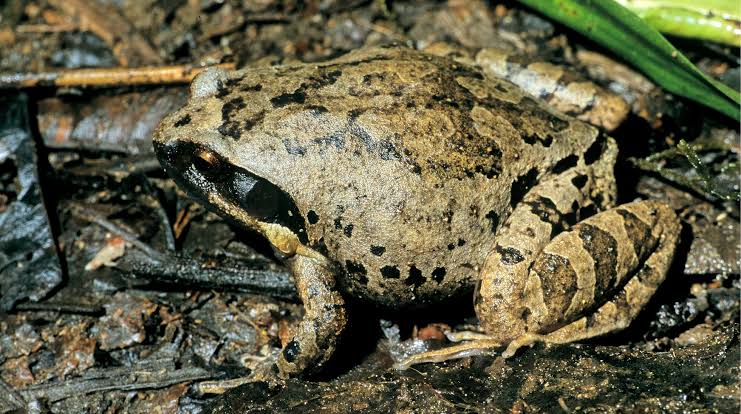
Scientists have discovered seven previously unknown species of diamond frogs in Madagascar, revealing that the island’s unique amphibian diversity is greater than previously understood.
However, the landmark study also warns that nearly all known species in the group are threatened with extinction, which underscores the urgent need for stronger conservation efforts.
Their comprehensive study, published in Vertebrate Zoology, examined the little-known diamond frogs (Rhombophryne) using a combination of DNA analysis, body measurements, recordings of frog calls, high-resolution bone scans, and field observations.
The research provides the most detailed review of the frog group to date and significantly improves scientists’ understanding of their evolution, biology, and distribution.
In key findings, the researchers reported a major boost to the known diversity of the genus.
“We describe seven new species from across Madagascar. This brings the number of species in the genus to 27,” the researchers said.
Furthermore, the study also sheds light on the frogs’ anatomy, diet, habitats and geographical distribution.
The study introduces the first comprehensive identification guide for the genus, which is expected to make it easier for researchers and conservationists to distinguish between closely related species in the field.
Despite the exciting discoveries, the findings paint a worrying picture for the future of these amphibians.
After reassessing the conservation status of the species, the researchers said that the vast majority are under threat from habitat loss and other environmental pressures.
“We estimate 24 of the 27 species to be threatened, with two species… probably worthy of being classified as ‘Critically Endangered’.” The researchers stated.
Additionally, the study also highlighted how much remains unknown about Madagascar’s wildlife as several suspected species have yet to be formally described because too few specimens have been collected and studied, leaving important gaps in scientific knowledge.
“Several candidate species remain taxonomically unaddressed… We therefore emphasize the need for increased survey efforts to fill knowledge gaps in both the taxonomy and the natural history of these frogs.” The researchers said.