Cancer is becoming a serious health challenge in Africa, with 1.54 million new cases and 923,000 deaths estimated across the continent in 2023, according to a new analysis from the Global Burden of Disease Study 2023.
The study, published in The Lancet Oncology, examined cancer trends in all 54 African countries between 1990 and 2023, covering 48 cancer types and 88 modifiable risk factors.
The researchers also estimated that cancer accounted for 33.9 million disability-adjusted life-years (DALYs) in Africa in 2023, a measure that combines years lost due to premature death with years lived with disability.
The findings show that the cancer burden has increased substantially over the past three decades, with the number of new cases rising from about 467,000 in 1990 to 808,000 in 2010 and 1.54 million in 2023.
“Cancer remains a leading cause of death and disability worldwide, with a disproportionately rising burden across Africa,” the researchers wrote.
The study found that breast and cervical cancers were particularly important among women, together accounting for 53.5% of all new female cancer cases in Africa in 2023. Among men, prostate, liver, tracheal, bronchus and lung, and colorectal cancers were the leading cancer types, together accounting for 44.8% of male cancer cases.
The burden was also substantial among children and young people. In 2023, Africa accounted for nearly 38% of global childhood cancer mortality and DALYs, which highlights the disproportionate impact of cancer on younger populations.
The researchers identified several modifiable risk factors contributing to the cancer burden. In 2023, about one-third of cancer deaths in Africa were attributed to the 88 risk factors assessed in the study.
Unsafe sex was the leading individual risk factor, accounting for an estimated 108,000 cancer deaths, followed by tobacco use with 72,000 deaths, dietary risks with 50,000 and high body-mass index with 33,000 deaths.
“About a third of cancer-related mortality and DALYs in the region are attributable to modifiable risk factors,” the researchers wrote.
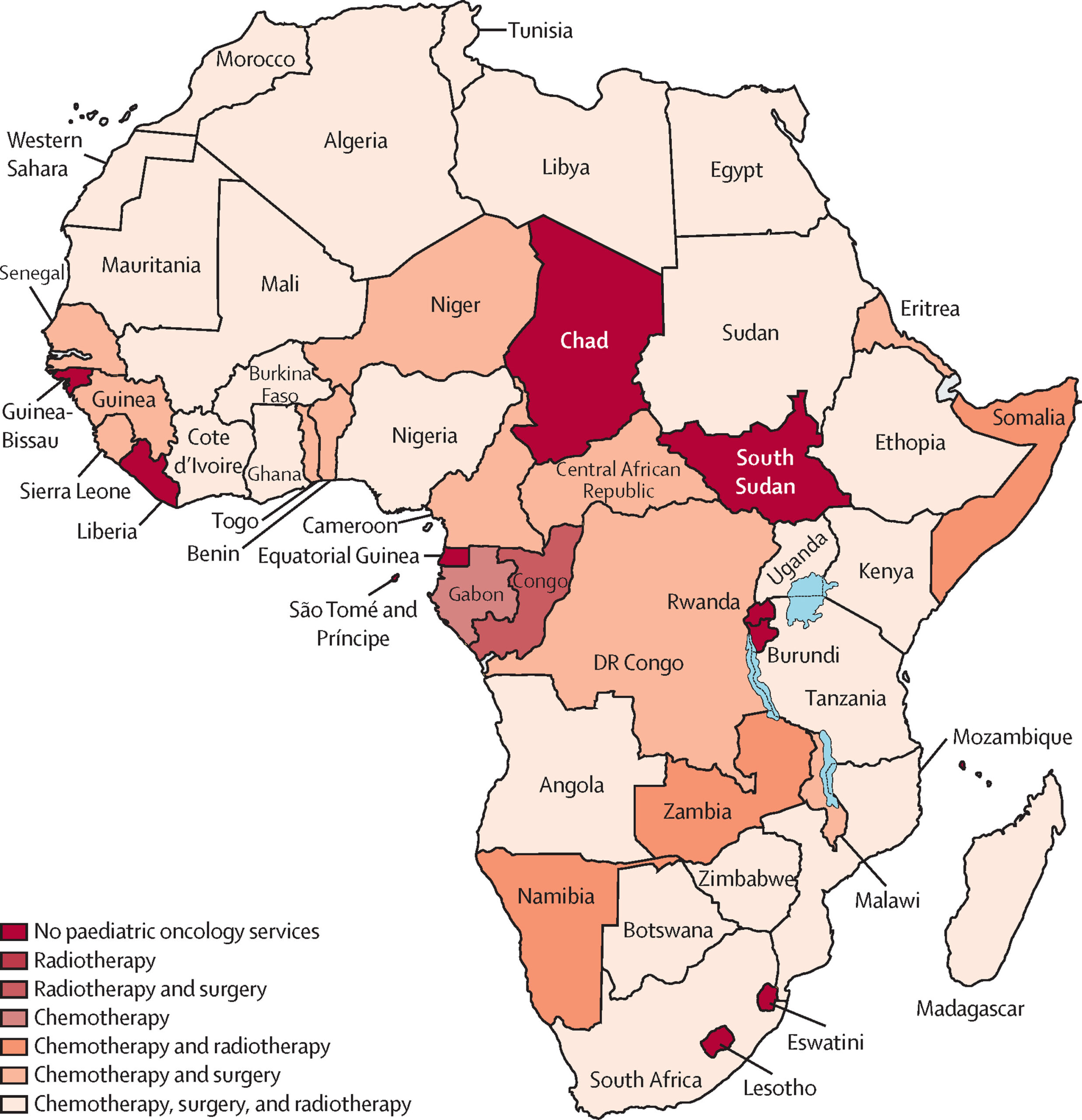
The study also highlights major gaps in access to cancer diagnosis and treatment across the continent. More than 90% of Africans lack access to radiotherapy, despite the treatment being required by a substantial proportion of cancer patients.
The researchers linked the high cancer mortality in Africa to challenges including late-stage presentation and limited access to surgery, chemotherapy, radiotherapy and rehabilitation services.
“Radiotherapy is indispensable, with 50–70% of patients with cancer requiring it, yet more than 90% of Africans lack access,” the researchers wrote.
Breast cancer, despite having relatively low incidence compared with some other regions, was found to have very high mortality in Africa. The study attributed these disparities partly to late diagnosis and limited access to cancer treatment.
Cervical cancer also remains a major concern, with the study finding that its absolute burden has doubled since 1990. The researchers noted gaps in human papillomavirus (HPV) vaccination and screening, with fewer than 35% of African countries having implemented national HPV vaccination programmes and coverage remaining below 50%.
The researchers said addressing the growing burden will require stronger cancer prevention, screening, early diagnosis and treatment systems, alongside improved cancer surveillance. They also called for strategies that reflect the different cancer patterns and health-system challenges across African countries.