
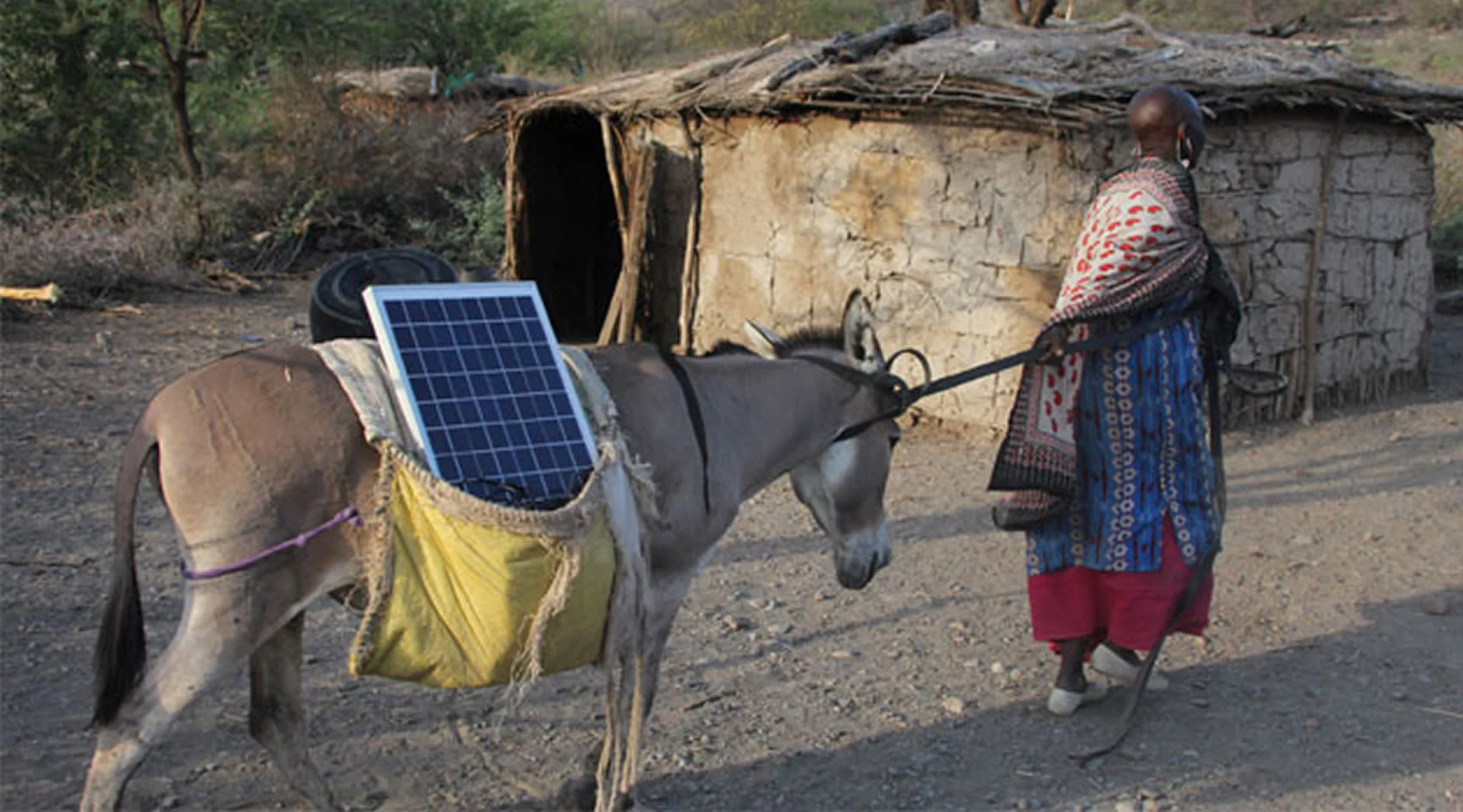
A new study has found that community-led renewable energy projects are helping transform the lives of people in remote parts of Ethiopia, Malawi and Mozambique, despite facing major financial and political obstacles.
The paper, published in the journal npj Clean Energy, examined how local communities are managing solar and small hydropower projects to expand electricity access in underserved areas across eastern and southern Africa.
In their key findings, researchers discovered that community energy initiatives improved lighting, education, healthcare, communication and small business opportunities in many rural communities that had long lacked reliable electricity.
“Community energy projects play a central role in advancing an inclusive and just energy transition in Africa, but they need stronger institutional support to survive and expand,” the study said.
The study highlighted how local residents often contributed land, labor and management support to keep projects operational. In some communities, villagers helped build roads, donated land for solar installations and formed committees to oversee billing and maintenance.
The researchers said communities were not passive recipients of aid but active participants in renewable energy development. “The role of communities in facilitating a just transition to clean energy is invaluable,” they wrote in the study.
However, the study also uncovered significant challenges threatening the sustainability of many projects. Bureaucratic licensing systems, weak coordination between government agencies, shortages of skilled technicians and heavy dependence on imported renewable energy technology were identified as key barriers.
Consequently, many projects were found to be non-functional or delayed because of funding shortages, maintenance problems and supply chain disruptions.
In Ethiopia, more than half of the documented community energy projects were no longer operating, while several planned projects in Mozambique had never been completed, according to the study findings.
The researchers said private investors had shown little interest in financing small-scale community energy systems because profits were limited, leaving projects heavily reliant on grants and donor support.
They argued that governments and international donors should place greater value on the broader social benefits these projects provide, particularly for women, vulnerable groups and isolated rural populations.
“Community energy gives a voice to people whose views and experiences are often overlooked in national energy planning,” the study stated.
PHOTO CREDIT: ADB