
Brief compiled by study co-authors, Alex Mulyowa and Mathius Amperiize
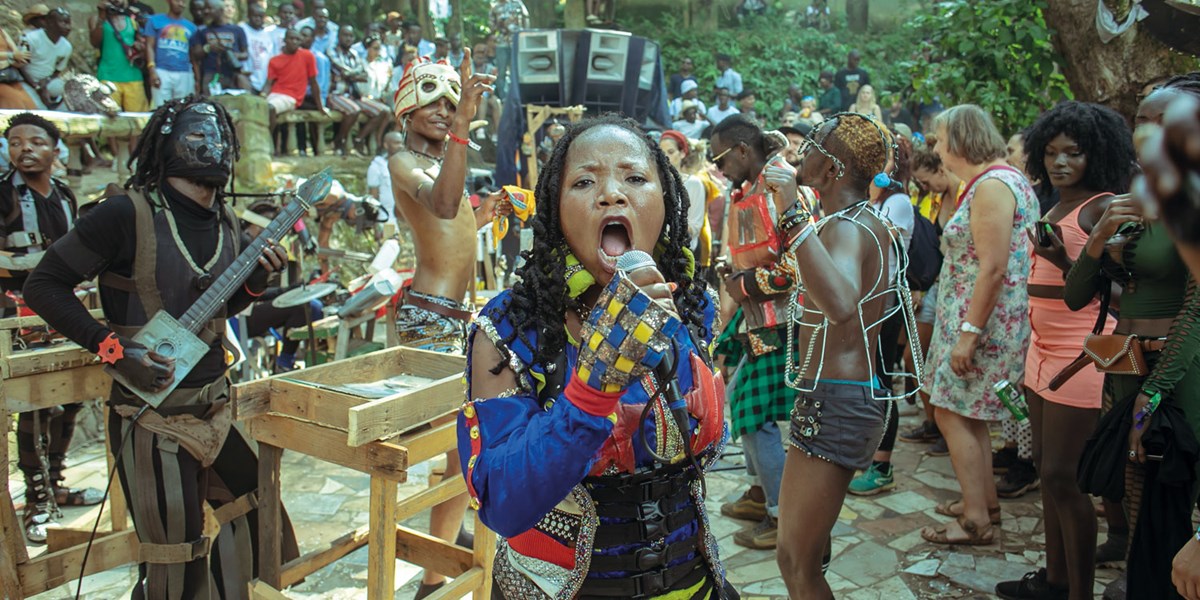
A study conducted during the 2024 Nyege Nyege Festival in Jinja City, Uganda, has revealed that large public events may carry hidden health risks, even when no formal disease outbreaks are detected.
The study, carried out by a team from Makerere University School of Public Health in collaboration with AFENET and Uganda’s Ministry of Health, and published in the Journal of Interventional Epidemiology and Public Health, used real-time syndromic surveillance to monitor health symptoms among festival attendees. The timing of the study was particularly significant because Uganda was in the middle of an active Mpox outbreak at the time, and Jinja was among the affected districts.
Over five days, 380 participants were interviewed and screened for key symptoms associated with infectious diseases and other health conditions. Findings show that nearly half of all respondents (46.6%) reported experiencing at least one symptom during the festival. The most commonly reported complaints were headaches (28.2%) and body pains (10.7%), followed by symptoms consistent with respiratory infections (18.6%). A small proportion (about 7%) had a fever above 37.5°C, a key warning sign for infectious disease surveillance systems.
Crucially, no suspected cases of serious infectious diseases were identified, and no outbreak alerts were triggered. However, researchers caution that the sheer volume of symptomatic attendees in a dense, mobile crowd signals real potential for rapid disease spread if a more dangerous pathogen were introduced.
The study also found important differences in symptom reporting across different groups of attendees. Security personnel recorded the highest proportion of symptoms (64.8%), compared to festival-goers attending for leisure activities such as partying and tourism (45.9%), and those providing commercial services such as food and other vendors (40.7%).
Researchers suggest that security workers’ prolonged exposure to heat, crowds, noise and fatigue, combined with limited rest across the festival’s four days, likely contributed to their elevated symptom rates. For partygoers, behavioural factors including alcohol consumption, irregular eating, and reduced attention to hygiene were identified as plausible contributors. These differences, the authors note, underscore the importance of tailoring health interventions to different groups rather than treating all attendees the same.
The Nyege Nyege festival has been running since 2015, yet this was the first time any formal disease surveillance was conducted at the event. The study’s authors argue this gap is no longer acceptable given the festival’s growing scale and international profile. With tens of thousands of people converging from different countries, the event carries genuine risk of both importing and exporting infectious diseases.
However, the study also points to gaps in preparedness. The surveillance was limited to the duration of the festival, meaning illnesses that appeared after attendees left may have been missed. Additionally, reliance on self-reported symptoms and the lack of laboratory testing means that the exact causes of illness could not be confirmed.
Despite these limitations, the findings underscore an important public health message: mass gatherings, even when well-managed, can produce a substantial burden of mild to moderate illness symptoms that may not escalate into formal outbreaks but still require attention.
The researchers call on event organisers and public health authorities to make surveillance a standard feature of large recreational gatherings. Their recommendations include mandatory minimum public health requirements such as sanitation provisions and on-site medical support. They also urge stronger health communication campaigns focused on safe food and water practices, sexual health, hygiene, and early care-seeking.
PHOTO CREDIT