
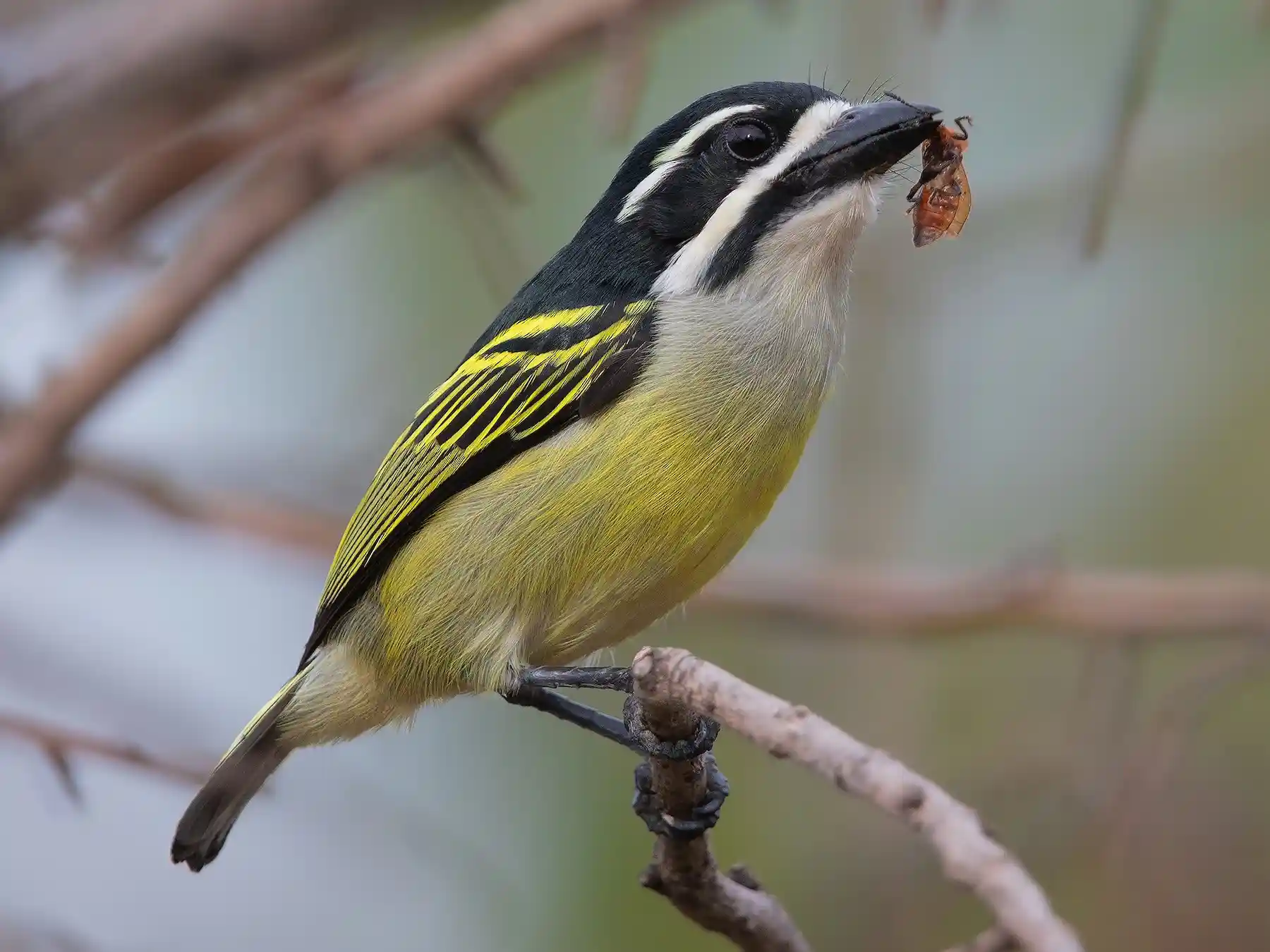
Rising temperatures linked to climate change and continued forest degradation are weakening the health of tropical forest birds, according to a new study conducted in Uganda’s Budongo Forest.
Researchers analyzed more than two decades of bird monitoring data and found that birds living in logged forests were generally in poorer condition than those inhabiting intact forests.
The study also found that increasing temperatures had an even greater impact on bird health than logging itself.
“Avian body condition in tropical forests declines as maximum temperature and logging increase, and forest recovery may buffer these effects,” the researchers said in the study.
The research published in the journal Conservation Biology, examined nearly 10,000 birds from 82 species between 1996–2000 and 2017–2021.
Scientists used body condition—a measure based on a bird’s weight relative to its size—to assess overall health and ability to survive and reproduce.
In their key findings researchers discovered that birds react quickly to changes in weather, with impacts becoming evident within days.
“Birds responded quickly to increasing temperatures and precipitation (within 1 week),” the study found.
Researchers observed that hotter conditions reduced bird body condition, while rainfall generally improved it, likely by increasing food availability and reducing heat stress. Birds in heavily logged forests were especially vulnerable because the loss of tree cover reduced the forest’s ability to provide cooler conditions.
Further, the study revealed that prolonged periods of high temperatures had the strongest negative effects on birds living in heavily logged areas, highlighting how habitat degradation can worsen the impacts of climate change.
Although average temperatures in the forest have risen by more than 2 degrees Celsius since the 1990s, the researchers found some encouraging signs.
Birds surveyed in recent years were in slightly better condition than those recorded two decades earlier, suggesting that parts of the forest may be recovering from past logging activities.
The authors warned that climate change poses a growing threat to tropical biodiversity. “Given the pace of global heating, such a rapid negative response is potentially dire,” they wrote.
The study recommends accelerating forest restoration efforts to help create climate refuges for wildlife. Furthermore, restoring canopy cover and protecting remaining intact forests could help buffer species from rising temperatures and strengthen ecosystem resilience.
IMAGE SOURCE