
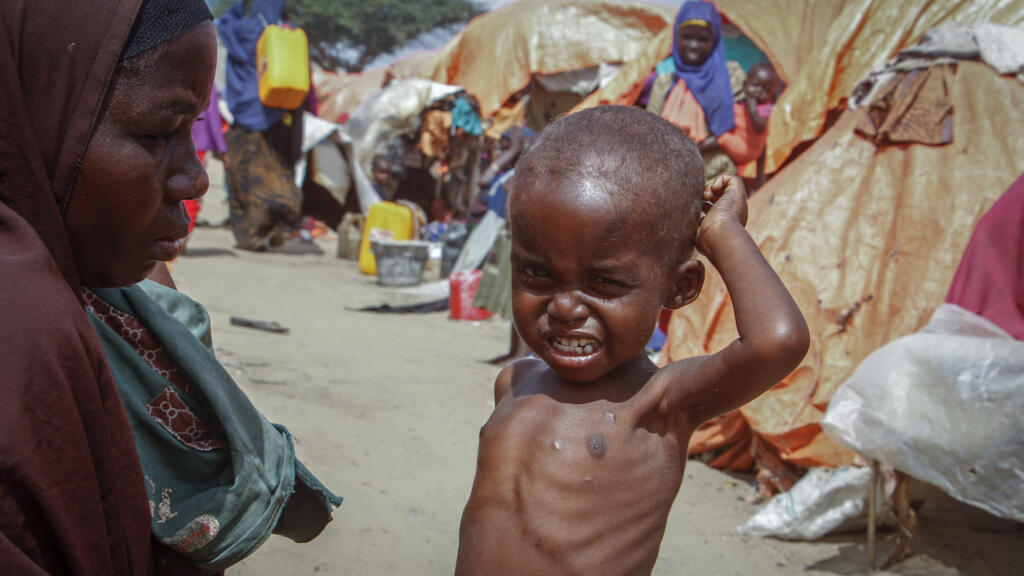
Somalia’s 2022–2024 drought caused an estimated 71,100 excess deaths, with more than nine in 10 of those deaths occurring among children under five, according to a new study that warns climate change, conflict and shrinking humanitarian aid are leaving the country increasingly vulnerable to recurring disasters.
The study, published in The Lancet Regional Health – Africa, found that the mortality toll from the latest drought was comparable to Somalia’s devastating 2017–2019 drought, despite improvements in humanitarian preparedness and early warning systems.
Researchers estimated 71,100 excess deaths during the 2022–2024 drought, although they said the toll could be as high as 104,700 under different modelling assumptions. The study found that “91% among children under 5 years” accounted for the estimated excess deaths.
“We estimated 71,100 excess deaths across Somalia during the 2022–2024 drought,” the researchers wrote, describing one of the most comprehensive assessments yet of the human impact of the country’s recurring climate crises.
The researchers analysed nearly 500 mortality surveys alongside data on rainfall, nutrition, disease outbreaks, displacement and population movements to estimate deaths attributable to the drought.
The study concluded that “the mortality impact of the latest drought crisis (2022–2024)” was similar to that of the 2017–2019 drought, which killed tens of thousands of people and triggered a major international humanitarian response.
The highest mortality was recorded in south-central Somalia, particularly in Banadir, Bay and Lower Shabelle regions, where prolonged drought coincided with conflict, widespread displacement and limited access to healthcare. Researchers said severe acute malnutrition, measles and diarrhoeal diseases were among the key drivers of increased mortality, particularly among young children.
The authors warned that the crisis reflects more than just failed rains. They said “the combination of intensifying droughts attributable to climate change”, continued insecurity and declining humanitarian assistance is increasing the risk of future large-scale loss of life.
The findings come as humanitarian agencies have repeatedly warned of funding shortfalls for operations in Somalia, where millions remain food insecure following successive poor rainy seasons.
The researchers argued that reducing aid could reverse gains made in drought preparedness and response, concluding that “humanitarian funding should be increased rather than defunded.”
They also calls for longer-term investments in resilience, including improved water management, drought-resistant agriculture, nutrition programmes and stronger health systems to reduce the impact of future climate shocks.
The authors said the findings underscore the urgent need for sustained international support, warning that without greater investment in both humanitarian response and climate adaptation, future droughts could exact a similarly devastating human toll.
IMAGE CREDIT