
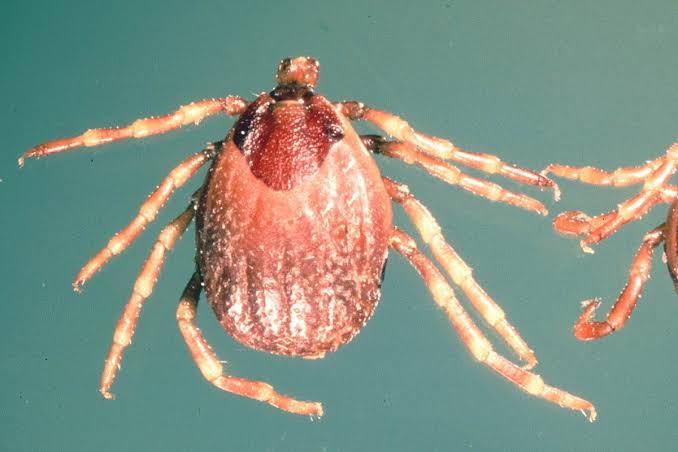
Uganda recorded the highest pooled estimate of human exposure to Crimean-Congo haemorrhagic fever virus among countries assessed in a new review of studies from sub-Saharan Africa
The preprint review, published in Scientific Reports, estimated human prevalence at 4.15% in Uganda, based on five studies included in the analysis. Researchers examined 114 studies conducted in 31 sub-Saharan African countries between 1980 and 2025, assessing the virus in humans, livestock and ticks.
“A higher overall pooled prevalence of CCHFV among humans was observed in Uganda (4.15%),” paper authors wrote.
Crimean-Congo haemorrhagic fever (CCHF) is a tick-borne viral disease that can cause severe illness and bleeding in humans. People can become infected through bites from infected ticks or contact with the blood and bodily fluids of infected animals. While infected animals may show few or no symptoms, the disease can cause severe illness in humans and may be fatal.
The Uganda estimate does not mean that 4.15% of the country’s population is currently infected. It is a pooled estimate drawn from the studies reviewed, and the researchers found that reported prevalence varied according to diagnostic methods and study locations.
Uganda has a history of recurrent CCHF cases. In 2026 alone, the disease has been reported in three instances across different parts of the country, with fatalities recorded.
Across sub-Saharan Africa, the pooled prevalence among humans was 1.15% when molecular and serological test results were combined. Serological tests detect antibodies and can indicate previous exposure, while molecular tests detect viral genetic material. The two methods measure different aspects of infection and exposure.
The review found considerable evidence of the virus among livestock, especially cattle. The pooled prevalence in cattle was estimated at 31.11%, rising to 51.05% in analyses based on serological tests.
The researchers said the high seroprevalence in livestock, particularly cattle, highlighted their significant role as amplifying hosts of the virus in sub-Saharan Africa.
Infected animals may not show obvious symptoms, making surveillance difficult. Farmers, herders, abattoir workers and veterinarians may be exposed through infected ticks or contact with infected animal blood and tissues.
Despite covering research spanning 45 years, the review identified substantial gaps in surveillance. Only 31 of the 46 sub-Saharan African countries were represented, while information from other countries was totally missing.
“The complete lack of records from countries especially in Central Africa warrants enhanced surveillance of CCHFV in data deficient countries for improved control in SSA.”
The authors say there is a need for enhanced surveillance in countries with limited data to improve understanding and control of the disease.
Differences in diagnostic methods and substantial variation between studies also complicated comparisons across countries. The researchers found that the diagnostic method accounted for much of the variation in cattle estimates, while the region where studies were conducted accounted for much of the variation in human estimates.
The researchers also estimated pooled prevalence at 11.20% in goats and 9.71% in sheep, although results varied across studies and testing methods.
More ticks are disease vectors
Hyalomma ticks are recognised as the principal vectors of CCHF, but the review found evidence of the virus in ticks belonging to other genera.
The researchers said there is a need for further investigation into the potential role of non-Hyalomma ticks in the epidemiology of the disease in Africa.
They also warned that acaricide resistance, which makes ticks less susceptible to chemicals used to control them, could undermine tick-control programmes and potentially contribute to the persistence of the virus in endemic areas.
IMAGE CREDIT