Imagine two people diagnosed with the same type of cancer. They receive the same medicine, but their bodies respond differently. One patient improves, while the other sees little benefit.
Part of the explanation may lie in their genes.
Scientists are increasingly studying how genetic differences influence cancer development and treatment. The goal is to move away from treating every patient in the same way and towards precision oncology, an approach that uses information about a person’s genes and tumour to guide treatment.
But a review published in The Lancet Regional Health – Africa warns that this approach remains out of reach for many cancer patients across Africa, despite the continent holding the world’s greatest human genetic diversity.
Cancer is already a major health challenge on the continent. An estimated 1.1 million new cases and 700,000 deaths were recorded in Africa in 2022. The number of new cases is projected to more than double by 2040.
Yet African populations remain underrepresented in cancer genetics research. This creates a problem: tests and treatment guidelines developed using genetic data from other populations may not always work equally well for African patients.
Researchers have found genetic variations associated with breast and prostate cancers in African populations. Studies have also identified differences in how cancers behave and how people metabolise certain medicines.
These discoveries could help scientists develop better ways to assess cancer risk, select treatments and predict how patients will respond to particular drugs.
But discovering the genetic clues is only part of the challenge.
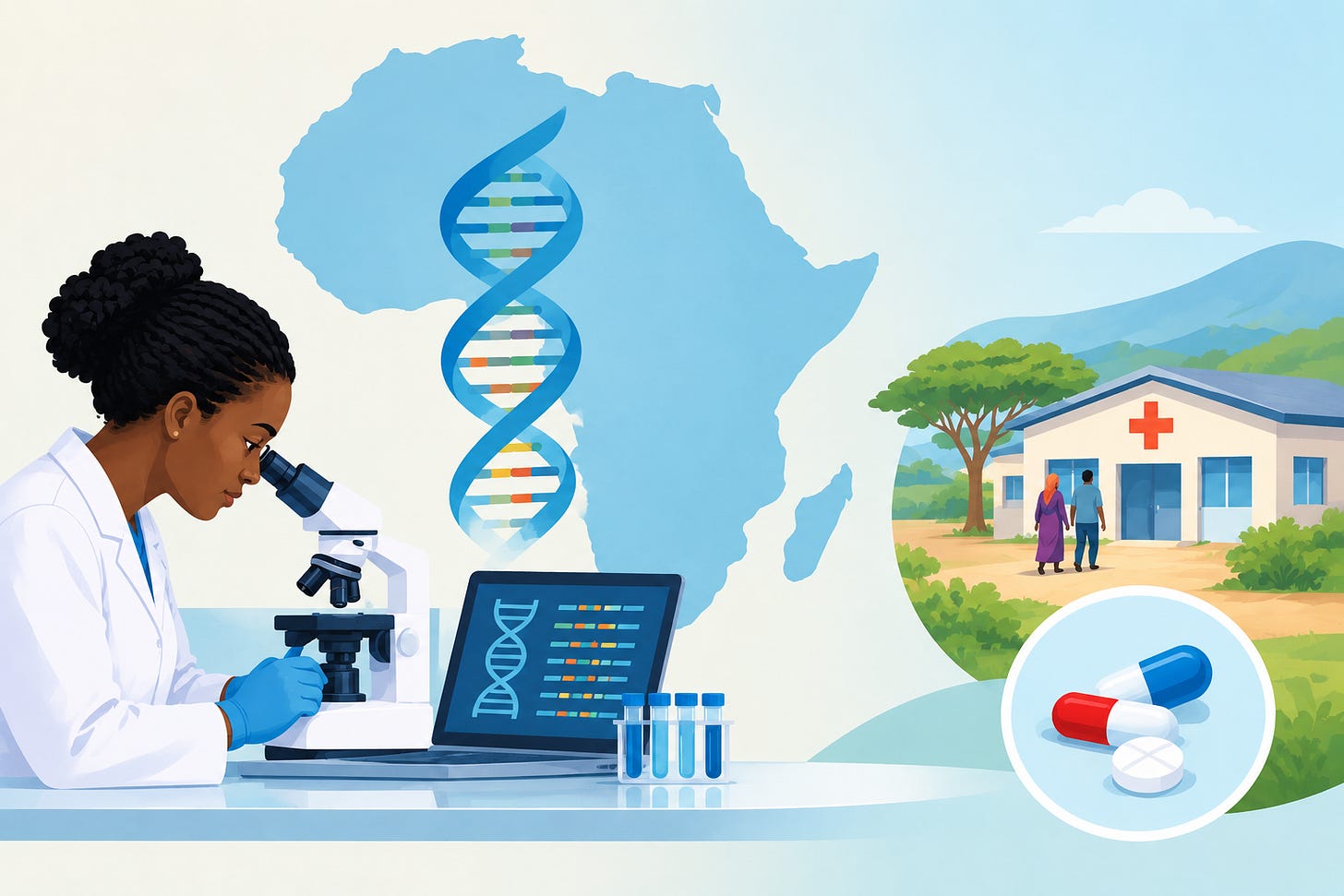
For precision oncology to work, patients need more than a genetic test. They need laboratories capable of analysing samples, specialists who can interpret the results and medicines that target the identified cancer characteristics.
Across many African health systems, these services remain limited.
The review found that in many low-income countries and rural areas, even basic biomarker testing for eligible cancer patients covers fewer than 20–30% of patients. Advanced tumour sequencing is often restricted to small research groups.
Testing can also be expensive. Some patients must pay out of pocket or depend on research projects and philanthropic funding to access molecular diagnostics.
And even when a test identifies a mutation that could be treated with a targeted medicine, the drug may be unaffordable or unavailable.
That creates an uncomfortable situation: doctors may discover what could help a patient without having the means to provide it.
There are reasons for optimism. Initiatives such as Genome Tunisia, the PerMediNA consortium and the African Oncogenetics Network are building research capacity, improving genetic testing and training specialists.
The PerMediNA programme, which linked institutions in Tunisia, Algeria, Morocco and France, analysed more than 800 breast and lung cancer cases, demonstrating that advanced genetic testing can be implemented in North African health systems.
The review argues that governments must now connect such advances to routine cancer care through sustained funding, better-equipped laboratories, specialist training and more affordable tests and medicines.
For Africa, the opportunity extends beyond improving cancer treatment. Studying the continent’s genetic diversity could generate discoveries that benefit patients worldwide.
But that will require African researchers to lead the work and African patients to share in its benefits.
Read full newsletter