
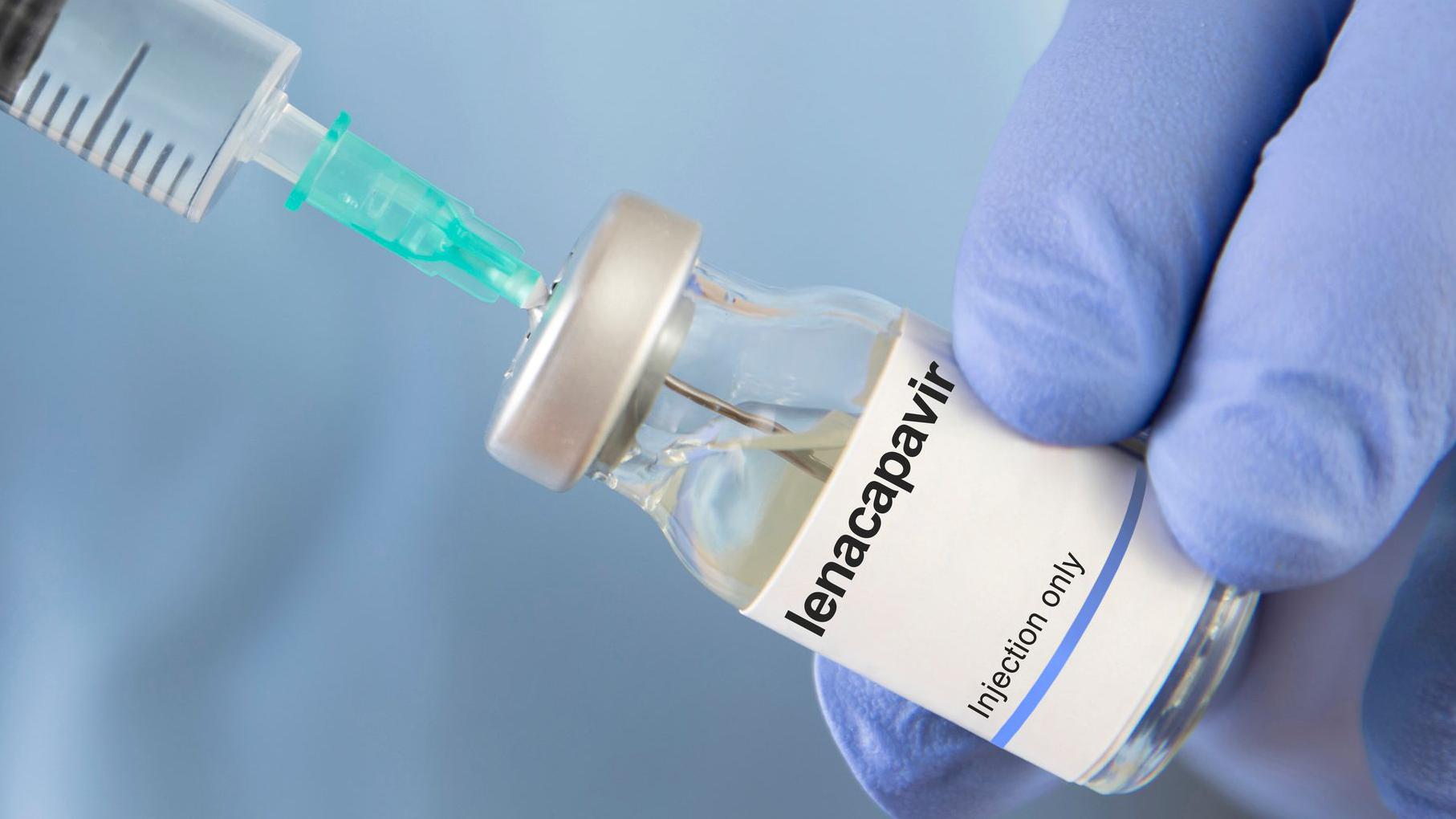
Lenacapavir, the twice-yearly injectable drug that prevents HIV infection, appears to be safe and highly effective for pregnant and breastfeeding women.
Researchers reported that no pregnant women receiving lenacapavir contracted HIV during the study, while five infections occurred among women using daily oral HIV prevention pills. They say the findings support expanding access to the long-acting drug for pregnant and lactating women.
“These data support accelerated access for lenacapavir in pregnant and lactating women,” the researchers wrote in a paper published in The Lancet HIV.
The findings come from a randomized study involving young women in South Africa and Uganda. The study builds on earlier research that informed the approval of lenacapavir by the U.S. Food and Drug Administration in 2025.
Although the women were not pregnant when they enrolled, 487 participants became pregnant during the trial, resulting in 509 pregnancies. Those who became pregnant were allowed to continue taking their assigned HIV prevention medication after providing informed consent, enabling researchers to assess the drug’s safety throughout pregnancy and breastfeeding.
Pregnancy and the months after childbirth are known to substantially increase a woman’s risk of HIV infection, particularly in sub-Saharan Africa, where women of reproductive age account for a large share of new infections. Acquiring HIV during pregnancy also increases the risk of transmitting the virus to the baby.
The study found that none of the women who received lenacapavir acquired HIV during pregnancy. By comparison, four HIV infections occurred among women taking the daily oral combination of emtricitabine-tenofovir alafenamide, while one infection occurred among women taking emtricitabine-tenofovir disoproxil fumarate. Researchers also reported that no cases of mother-to-child HIV transmission were observed.
The investigators said the drug was generally well tolerated throughout pregnancy and after delivery.
“Twice-yearly subcutaneous lenacapavir is well tolerated among pregnant, postpartum, and lactating women,” they wrote.
The most common side effects were mild injection-site reactions, such as swelling or small nodules. About one-third of women receiving lenacapavir experienced these reactions, but all were mild to moderate, and none caused participants to discontinue treatment.
Researchers also found no evidence that pregnancy reduced the effectiveness of the medicine. Drug levels remained consistent throughout all stages of pregnancy and after childbirth, indicating that no dose adjustment is needed.
“Our findings support the use of lenacapavir for pregnant and lactating women who want or need PrEP without the need for dose adjustment,” the authors said.
The study also examined whether the medicine passed to infants through breastfeeding. While lenacapavir was detected in breast milk, only very small amounts were transferred to babies.
“Twice-yearly subcutaneous lenacapavir is well tolerated among pregnant, postpartum, and lactating women,” they wrote.
Pregnancy outcomes were also reassuring. Rates of miscarriage, stillbirth, preterm birth, and babies born small for their gestational age were broadly similar between women receiving lenacapavir and those taking standard daily oral HIV prevention medicines. Most babies were born healthy, and although a small number of birth defects were reported, the researchers said the findings did not suggest a consistent pattern linking them to the drug.
The study marks one of the first large clinical evaluations of a new HIV prevention medicine in pregnant and breastfeeding women conducted alongside the main efficacy trial. Historically, pregnant women have often been excluded from clinical research, delaying evidence on the safety and effectiveness of new medicines for this population.
The researchers said the trial demonstrates that including pregnant and breastfeeding women in clinical studies is both feasible and essential.