
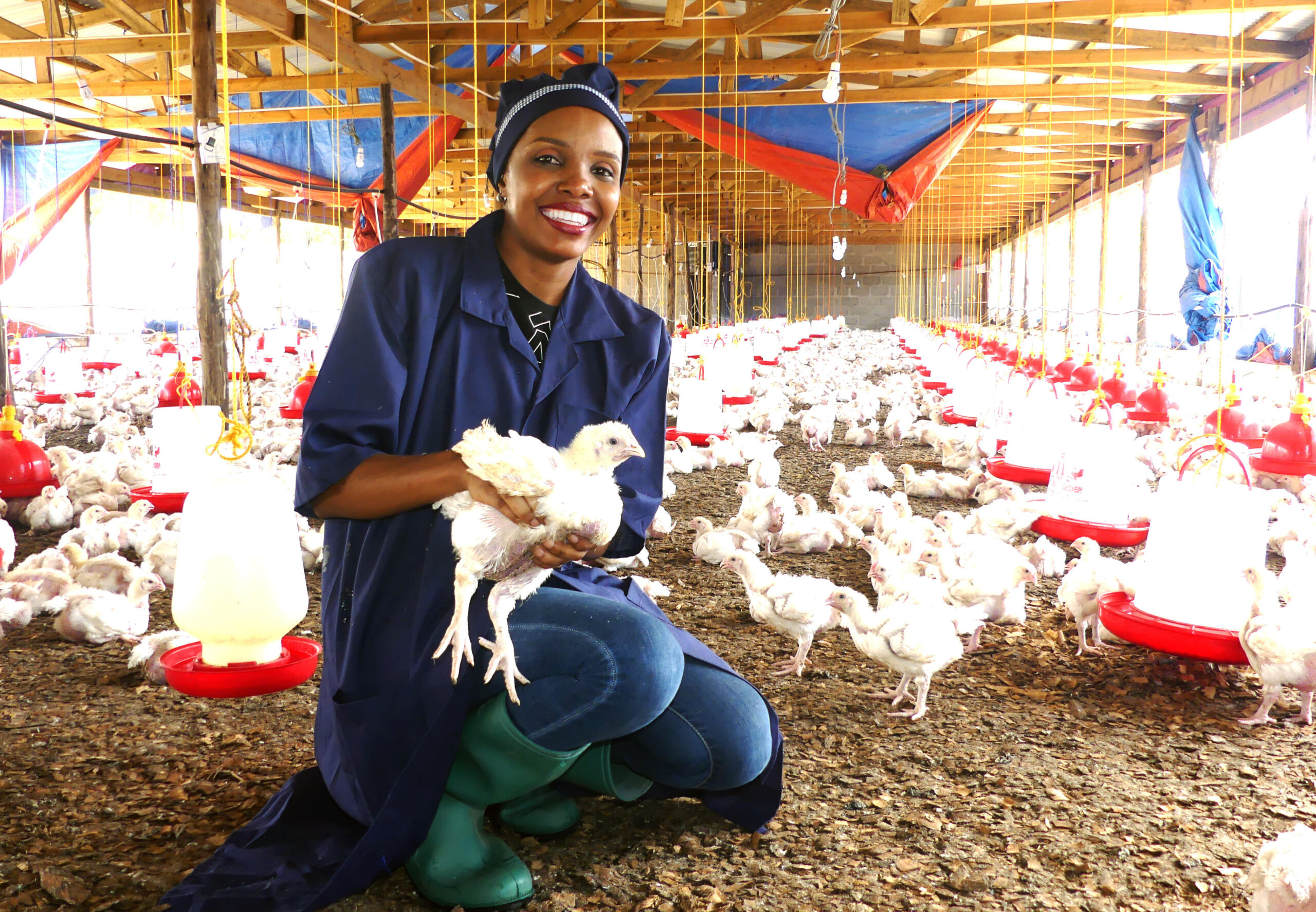
Almost one in every two chicken products tested across Africa contains detectable antibiotic residues, according to a new systematic review and meta-analysis.
The study, published in the Journal of Food Protection, raises concerns about food safety and the growing threat of antimicrobial resistance (AMR) on the continent. The review presents evidence from 39 studies conducted between 2000 and 2025 to assess the presence of antibiotic residues in chicken meat, eggs and edible organs across the continent.
According to the findings, researchers estimated that 42.6% of chicken products contained antibiotic residues, while 37.8% of detected residues exceeded internationally accepted maximum residue limits (MRLs) established to protect consumers.
“This meta-analysis revealed high levels of antibiotic residues in chicken products,” the authors wrote, warning that the issue “remain[s] neglected in many African countries and pose[s] a significant threat to human health.”
Antibiotics are widely used in poultry farming to treat bacterial infections, prevent disease outbreaks and, in some settings, promote faster growth. However, when farmers fail to observe the recommended withdrawal period before slaughtering birds or collecting eggs, traces of these drugs can remain in food consumed by humans.
The review found contamination across virtually every poultry product examined. Chicken meat had the highest prevalence of antibiotic residues at 48.5%, followed by liver (44.4%), eggs (39.9%), kidneys (33.6%) and gizzards (19.3%).
Researchers also identified residues from 18 different antibiotics. Among them, doxycycline and oxytetracycline recorded the highest average concentrations, while only ofloxacin and sulfamethazine consistently remained within recommended safety limits.
The study warns that although many individual residue levels may appear small, long-term dietary exposure remains a significant public health concern. Continuous consumption of contaminated poultry products can contribute to allergic reactions in susceptible individuals, disrupt beneficial gut bacteria and, perhaps most importantly, accelerate the emergence of antimicrobial-resistant bacteria.
The World Health Organization considers antimicrobial resistance one of the greatest global health threats. As bacteria become resistant to commonly used medicines, infections become increasingly difficult and expensive to treat, leading to longer hospital stays and higher mortality.
The authors note that Africa faces unique challenges in tackling the problem. Veterinary antibiotics are often readily available, while laboratory capacity to routinely test food products remains limited in many countries. Weak regulatory enforcement and inadequate surveillance systems mean contaminated products can enter markets without being detected.
“Antibiotic residues in poultry products pose a significant global public health concern,” the researchers wrote in the paper. They add that Africa faces “particularly pressing issues from inadequate surveillance and high exceedance rates.”
The review also highlights major differences between countries which reflect variations in farming practices, veterinary oversight, laboratory testing capacity and enforcement of food safety regulations.
To reduce the risk, the researchers recommend strengthening national residue monitoring programmes, enforcing maximum residue limits, educating farmers on responsible antibiotic use and ensuring withdrawal periods are strictly observed before poultry products reach consumers.
They also call for improved farm biosecurity, wider vaccination programmes to reduce disease burden, and more prudent antibiotic stewardship to minimise unnecessary drug use in poultry production.
“Stringent monitoring and enforcement of maximum residue limits… are urgently needed,” the authors wrote. They further argue that “improved biosecurity, vaccination programs, and prudent antibiotic stewardship are urgently needed” to safeguard both food safety and the long-term effectiveness of life-saving antibiotics.
IMAGE CREDIT