

And researchers may actually be close to a solution, according to a study and trial ongoing in Uganda and South Africa.
“You don’t eat a sweet with its wrapper on.” That’s how one man in Uganda explained why he and his peers avoided condoms.
The saying, repeated in both South Africa and Uganda, summed up what researchers found in a new study published in PLOS Global Health: men who travel for work are taking risks with sex, often preferring it without protection, despite knowing the dangers of HIV.
Many previous studies have shown that mobile men in Africa, particularly long-distance truck drivers, are a crucial “bridging population” in the HIV epidemic, linking high-risk sexual networks with the general community.
The PLOS Global Health study was conducted ahead of the Mobile Men trial, in which researchers will test injectable PrEP against pills among 400 men in Uganda and South Africa. If successful, it could be a game changer in curbing HIV infections among this high-risk group.
In the study, researchers looked at the sexual behavior and HIV prevention choices of men working in transport, fishing, and construction. Researchers spent time in fishing communities, transit towns, and busy taxi ranks, listening to men talk about their lives, their choices, and their attitudes toward prevention.
Sex, boredom, and risk
Many men admitted that being away from home for long periods, often combined with drinking, led them to seek out casual partners. Taxi drivers described how women selling food at ranks also offered sex. In fishing villages, barmaids sometimes relied on sexual relationships to supplement low wages.
But in nearly all these encounters, condoms were unwelcome. A driver in Eastern Cape bluntly said condoms “waste the excitement.” A construction worker explained that drunken encounters “just happen abruptly,” leaving no time to think about protection.
For some, risky sex was even tied to masculinity. Men described condomless sex as proof of virility, and a way to keep their “axe sharp” for when they returned home to their wives.
PrEP pills? No. But injections spark interest
Oral PrEP–pills taken daily or before sex–has been proven to prevent HIV. But none of the men in the study were using it. Many thought it was only for women, particularly pregnant women. Others confused it with HIV treatment, fearing stigma if people assumed they were positive.
In some areas, misinformation ran deep. A health worker in Masaka, Uganda, explained that men believed PrEP itself was a virus designed to kill people. Carrying pill bottles was also a problem, with men saying the rattling noise exposed them to gossip.
When researchers introduced injectable PrEP, a shot given every two to three months, men’s reactions shifted. Suddenly, they saw a prevention method that fit their lives.
One Ugandan participant explained: “With injectables, no one will ever know. It’s always between you and the health worker.” Others said injections were easier than remembering daily pills. Even local leaders agreed they would prefer injections over tablets.
There were some hesitations. A few disliked injections, or the idea of being jabbed in the buttocks. But overall, enthusiasm outweighed fear.
The Mobile Men trial is now testing injectable PrEP against pills among 400 men in Uganda and South Africa. If successful, it could transform HIV prevention by bringing services closer to fishing ports, taxi ranks, and construction sites–meeting men where they are, instead of waiting for them in clinics.
As one participant summed it up, men are unlikely to change their sexual behavior. But with injections, they may finally have a prevention tool they are willing to use.
PHOTO OF THE WEEK
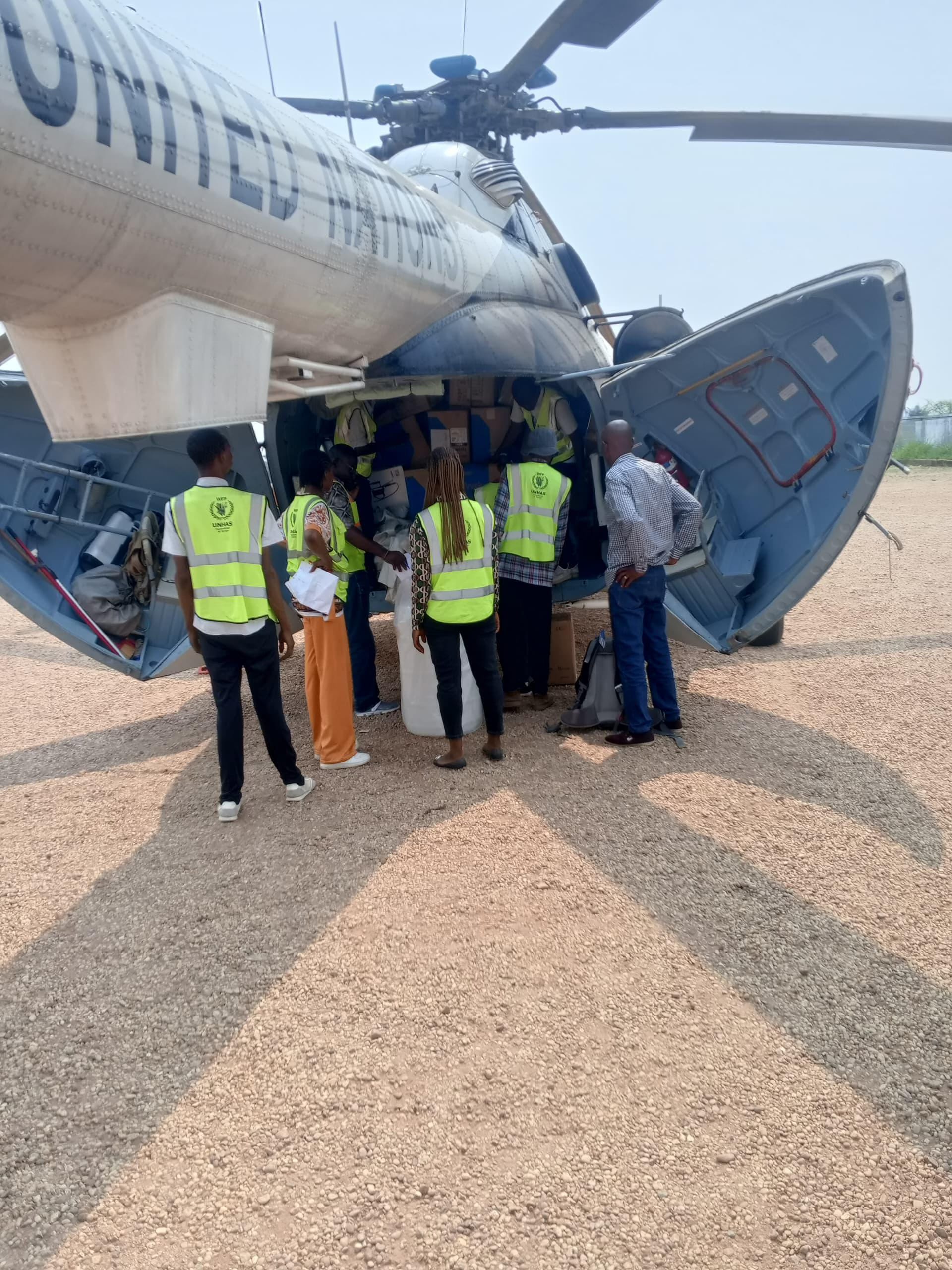
WHO delivered 2.5 tonnes of life-saving supplies to support the Ebola response in Bulape, Democratic Republic of Congo last week.
QUOTE OF THE WEEK
“The…highlights alarming increases in obesity among Sub-Saharan African young people, projecting a doubling in prevalence by 2050. Obesity among children aged 5–14 is expected to reach approximately 11.4%, a 140% increase from 2021,” Nature.
RESEARCH HIGHLIGHTS
How Diet Shapes the Body’s Energy Use: A study which looked at people in Kenya and the U.S. found that diet makes a big difference in how the body uses energy. Kenyans, who often eat traditional high-fiber foods like ugali, were better at switching between burning carbs and fat—something that keeps the body healthier and lowers the risk of diseases like diabetes. Americans in the study, who tend to eat more fatty and processed foods, showed less flexibility, meaning their bodies didn’t adapt as well after meals. The findings suggest that everyday food choices can “train” the body to stay more efficient over time. [Reference, European Journal of Clinical Nutrition]
Genetic Adaptations to Drought in the Turkana: Scientists studied the DNA of 367 Turkana people in northwest Kenya, a community that has survived for thousands of years in one of the driest regions of Africa by herding animals and eating mostly meat and milk. They found signs that the Turkana have recently evolved genetic changes that help their bodies cope with dehydration, especially in a gene called STC1, which affects how the kidneys handle water. These changes seem to make a difference in how their bodies manage urea and hydration. The findings not only shed light on how humans adapt to harsh environments but could also help the Turkana understand possible health challenges as some move from rural areas to towns and cities.[Reference, Science]
A Smarter, Lasting Fight Against Malaria in Africa: Malaria control in Africa needs to move beyond short-term fixes and become more sustainable, especially as funding becomes less reliable. Experts suggest tackling malaria on two fronts: first, by targeting and reducing the specific mosquito species that spread the disease for quick results, and second, by making long-term improvements such as better housing and cleaner environments to keep malaria from returning. New technologies like gene-drive mosquitoes and longer-lasting vaccines could strengthen these efforts, but lasting success will also require people-focused policies, local investment, teamwork across sectors, and long-term planning instead of relying only on outside aid. [Reference, Trends in Parasitology]
—END—